

Effective Forex Day Trading Strategies for Success 1730888125

Effective Forex Day Trading Strategies for Success
Day trading in the Forex market involves purchasing and selling currency pairs within the same trading day, aiming to leverage short-term price movements. To excel in this competitive environment, traders must adopt effective strategies and maintain discipline. Learn how to optimize your trading approach with proven techniques. For insightful trading tips and resources, check out forex day trading strategy Crypto Trading Asia
Understanding Forex Day Trading
Forex day trading is characterized by the opening and closing of positions in a single trading day. Unlike long-term investing, which relies on the fundamental performance of currencies, day traders focus on technical analysis and market sentiment to capture small market movements. This requires quick decision-making skills and the ability to remain unemotional under pressure.
Choosing the Right Currency Pairs
Day traders should focus on currency pairs that exhibit high volatility and liquidity, allowing for substantial price movements within a single day. Major currency pairs like EUR/USD, GBP/USD, and USD/JPY are often preferred due to their consistent volume and tighter spreads. However, some traders may also explore minor and exotic pairs, provided they have a clear understanding of the associated risks.
Technical Analysis: The Backbone of Day Trading
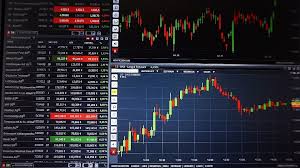
Technical analysis involves using historical price data, charts, and indicators to forecast future price movements. Day traders rely heavily on technical charts to identify patterns and setups. Key techniques include:

- Support and Resistance Levels: Identifying price levels where the currency pair has historically bounced off or reversed direction.
- Chart Patterns: Recognizing shapes such as head and shoulders, triangles, and flags can suggest potential market movements.
- Indicators: Utilizing tools like Moving Averages, Relative Strength Index (RSI), and Bollinger Bands can help confirm trends and entry/exit points.
Developing a Trading Plan
A well-defined trading plan is crucial for day trading success. It should outline your trading goals, risk management rules, entry and exit strategies, and performance evaluation metrics. Elements to include are:
- Risk Tolerance: Determine how much of your trading capital you are willing to risk on a single trade.
- Trading Hours: Specify the times of day you will trade to maintain consistency.
- Performance Review: Regularly assess your trades to identify what works and what needs improvement.
Risk Management: Protecting Your Capital
Successful trading involves managing risk effectively. Here are some risk management strategies:
- Stop-Loss Orders: Setting stop-loss orders can minimize losses by automatically exiting a trade when the price reaches a predefined level.
- Position Sizing: Calculate the appropriate size for each trade based on your trading capital and risk tolerance.
- Diversification: Spread your trades across different currency pairs to reduce exposure to any single currency’s volatility.
Market Sentiment Analysis
Understanding market sentiment is essential for gaining insights into potential price movements. Sentiment analysis involves gauging the overall mood of the market, which can be achieved through:
- News Releases: Economic news and events can cause significant price shifts. Stay updated with an economic calendar.
- Social Media Trends: Monitoring platforms like Twitter and trading forums can provide insights into market sentiment.
- Commitment of Traders (COT) Report: This report offers valuable information about the positioning of market participants and can indicate trends.
Practice with a Demo Account
Before trading with real money, it’s wise to practice your strategies using a demo account. This will help you familiarize yourself with the trading platform, test strategies, and understand market dynamics without risking your capital. Most brokers offer free demo accounts with virtual funds to assist new traders in honing their skills.
Continuous Learning and Adaptation
The Forex market is ever-changing, and so should be your strategies. Continuous learning through webinars, articles, and trading courses is essential. Join trading communities to share experiences and insights with other traders. Adapting to new information and market conditions can lead to sustained trading success.
Conclusion
Day trading in Forex can be rewarding, but it requires a combination of the right strategies, thorough preparation, and emotional discipline. By focusing on technical analysis, creating a robust trading plan, managing risks, analyzing market sentiment, and committing to continuous learning, you can enhance your chances of achieving success in the Forex market.


Để lại một bình luận